Poetry
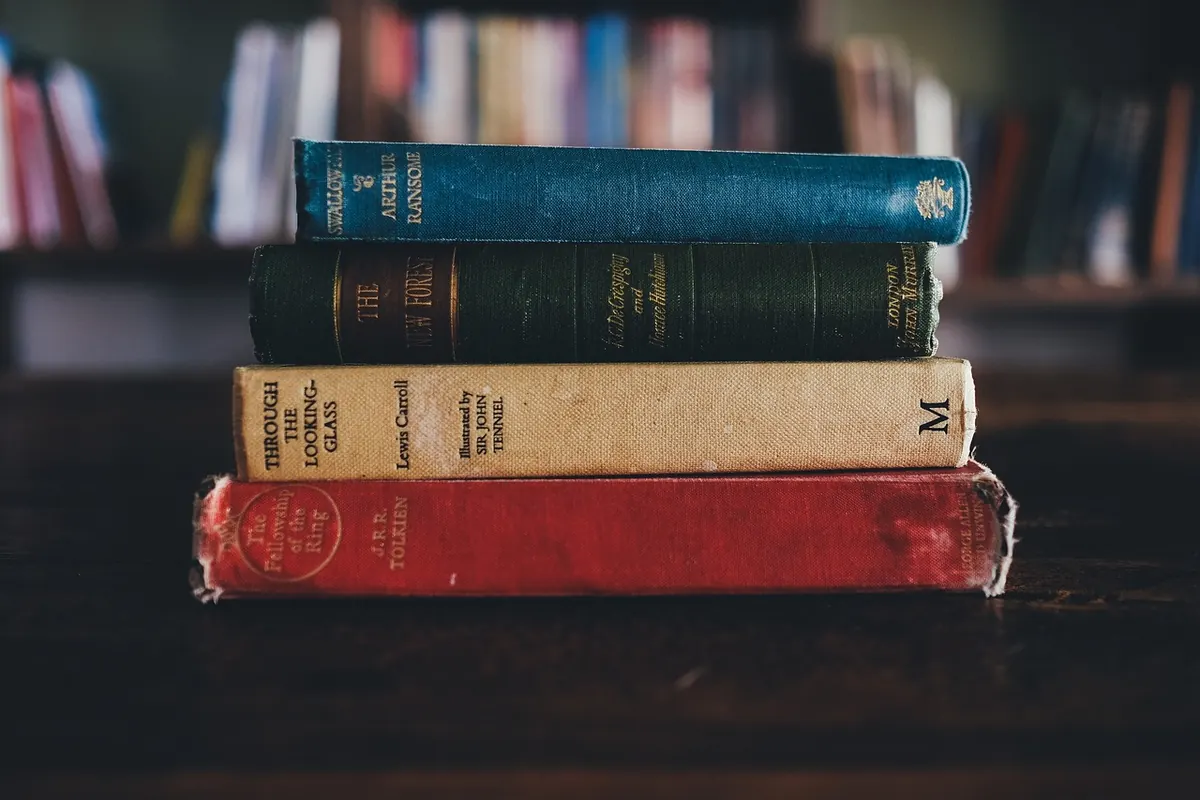
Poetry Pamphlet or Full Collection? Choosing the Right Format
Two poets finish manuscripts in the same month. One runs to twenty-four pages and reads as a single movement. The other comes in at sixty-four and travels through four distinct moods. Sending them to the same place would be a mistake. A pamphlet and a full collection are not an apprentice version and a master version of the same object; they are different formats with different demands, different costs and different routes to publication. Choosing well at the start saves months of misdirected submissions.
What Each Format Actually Means
A pamphlet — often called a chapbook — is a slim book, usually somewhere between 16 and 36 pages, which tends to work out at roughly 12 to 25 poems. Many are stapled or perfect-bound in short runs; others appear as limited editions with beautiful paper. The form has a long history in British poetry and remains a standard first publication for writers.
A full collection is the book most people picture: 48 to 80 pages or more, often forty poems upwards, with a spine, sections, and a cover that has to read clearly as a thumbnail.
These are conventions rather than rules. Some presses publish forty-page pamphlets; some collections are barely longer than a pamphlet. Check what a particular publisher means by the word before you send anything.
Which Format Suits the Poems You Have
Length is the easy test. Cohesion is the real one.
A pamphlet earns its place by holding a reader from the first poem to the last without a wobble. That might come from a single subject — a family, a town, a job, a year of illness, a stretch of coast — or from a formal constraint, or from a voice so distinctive that twenty pages of it feels like one continuous performance. What it rarely survives is padding. Two good poems and eighteen adequate ones do not make a pamphlet; they make a thin collection in a small binding.
A collection asks for range as well as quality. It needs architecture: sections, tonal shifts, a couple of longer poems, enough variety that the reader never feels they have read the same poem forty times.
A useful test: make a contents page, lay the poems out, then read the sequence aloud across two evenings. If eighteen or twenty of them speak to each other and the rest are good but unrelated, you have a pamphlet. If three or four fully formed clusters emerge, keep building — you may be looking at a collection.
Consider a concrete example. A poet with twelve elegies for a parent, all in the same register and all circling the same loss, probably has a pamphlet. A poet with twelve elegies, twelve love poems, a sequence about climate data and a handful of translations may have the ingredients of a collection — but only if the book finds a way to make those pieces argue with one another rather than simply sit side by side.
What Each Route Costs
Costs scale with pages, print run and production values. A pamphlet is cheaper to make: fewer pages, often a shorter run, sometimes a simpler binding. A full collection is a bigger print, design and editing job.
Whichever route you take, budget for:
- editing, or a manuscript assessment if you use one
- typesetting and cover design
- printing and binding
- an ISBN, if you are publishing under your own imprint
- proof copies and postage
- entry or submission fees, which add up faster than most people expect
If you are self-publishing, get written quotes before you commit and read any contract carefully. Where money, rights or royalties are involved and the terms are not clear to you, take proper advice before signing.
Most poetry in any format does not earn back what it cost to make. That is not a reason to avoid publishing; it is a reason to be honest about what you are buying. A pamphlet buys you a finished object, a set of poems you know by heart, and a calling card. A collection buys you a larger presence on a shelf and a longer conversation with readers.
Where You Are in Your Writing Life
Pamphlets are frequently the first step, and the poetry world knows it. Many pamphlet competitions and small press series exist specifically for writers who do not yet have a full collection, and a pamphlet gives you something concrete: a publication credit, a short set you can read
Photo: AnnieSpratt / Pixabay