iGaming

RNG, RTP, and the House Edge: What Casino Games Really Cost You
Every casino game you'll ever play is built on a single uncomfortable truth: the house doesn't need luck, because the math already tilted the table before you sat down. That's not a conspiracy. It's arithmetic, published openly in most regulated markets. The players who last longest aren't the ones who "feel" the cards — they're the ones who understand exactly what they're paying for the entertainment.
Let's pull back the curtain on the numbers that actually decide whether your bankroll survives the night, and how the smartest players in slots, blackjack, and poker approach the same math from completely different angles.
The House Edge Is Not a Suggestion
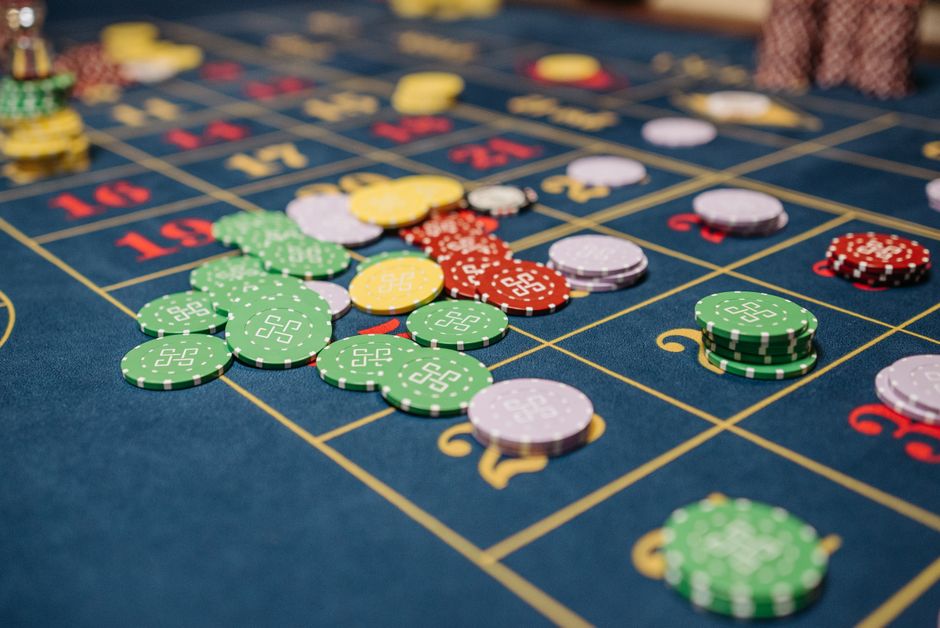
The house edge is the average percentage of every wager the casino expects to keep over time. It's not a rule enforced by a pit boss; it's baked into the game's structure. Take European roulette with a single zero: 37 pockets, 35-to-1 payout on a straight-up number. That two-unit gap sounds tiny. Over thousands of spins, it translates to a 2.7% house edge. Switch to American roulette with its double zero, and the edge jumps to 5.26% — nearly double, for the same game, same thrill.
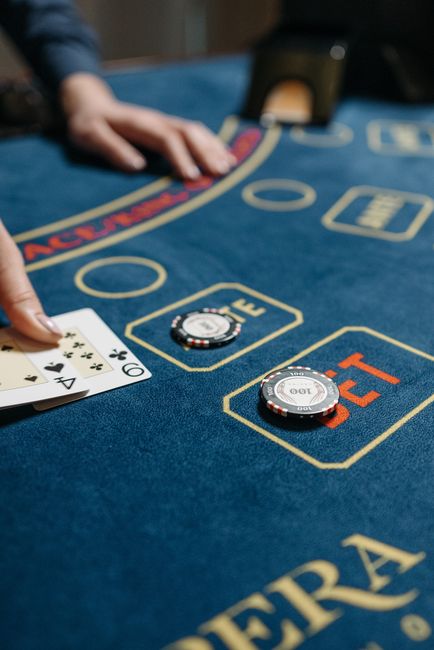
Blackjack sits at the other end of the spectrum. A player using basic strategy — hitting, standing, doubling, and splitting exactly by the book — can push the house edge below 0.5% in favorable rule sets. Add card counting done well, and you can flip the edge in your favor. That's precisely why casinos reshuffle more often, use six and eight-deck shoes, and pay 6-to-5 on blackjack instead of 3-to-2. A 6-to-5 payout alone increases the house edge by 1.4%, turning a beatable game into a mediocre one.
- Baccarat banker bet: roughly 1.06% house edge (with the 5% commission)
- Craps pass line: about 1.41%
- Three-card poker ante: closer to 3.4% if you play every hand
- Keno: frequently 25% to 35%. Treat it like a lottery ticket, not a strategy.
Slots: RTP Tells Half the Story
Slots get a bad reputation for being "random," but the randomness is measurable. Return to Player (RTP) is the theoretical percentage of all wagered money a slot returns to players over millions of spins. A 96% RTP means the house keeps 4% long-term. That number matters more than almost any other metric players ignore.
Here's the trap: two slots with identical RTP can feel completely different. A high-volatility slot might pay nothing for 200 spins and then deliver a 500x hit. A low-volatility slot drips small wins constantly, keeping you afloat but rarely spiking. Neither is "better" — they suit different bankroll sizes and temperaments.
A few concrete things worth checking before you spin:
- RTP disclosure: Regulated markets like the UK, Malta, and several US states require published RTPs. Look for games above 96%.
- Max bet penalties: Many jackpot slots cap the top prize to the max bet. If you're betting below it, you're playing a worse game for the same cost.
- Volatility vs. bankroll: For a high-volatility slot, you realistically need 200 to 300 spins' worth of capital to give the variance room to work.
One sneaky detail: some providers ship the same game with different RTP settings per market. A slot that returns 96.5% in one jurisdiction can run at 94% in another. If the operator doesn't publish it, assume the lower version.
Poker Is the One Game You Can Genuinely Beat
Here's the filet mignon of the iGaming world: in cash poker, the house doesn't play against you. It just takes a rake — typically 5% capped at a few dollars per pot, or a time charge. That means your edge comes from other players, not from beating a mathematical wall.
This is why poker rewards study in a way slots never will. Preflop ranges, position, pot odds, and bankroll management are learnable skills. A competent player at a soft low-stakes table can post a win rate of several big blinds per hundred hands. At tougher mid-stakes tables, that same player might grind out 1 to 2 BB/100 — and the margin between good and great gets razor-thin. There is a useful overview at slot depo 5k.
A quick reality check on tournament poker: the rake is higher relative to the prize pool, variance is brutal, and the vast majority of entrants are losing players by definition. That's not a reason to avoid it — it's a reason to treat your buy-in as a cost, not an investment you're owed back.
The Bonus Math Nobody Advertises
Welcome bonuses look like free money until you read the terms. A "100% up to $500" match with a 40x wagering requirement attached to the bonus means you need to wager $20,000 before withdrawing a cent. If the contribution rate on slots is 100% but only 10% on blackjack, the bonus is effectively a slots-only offer.
Do the simple calculation before claiming anything:
- Expected value: (Bonus amount) minus (Wagering requirement × House edge). A $100 bonus with 40x wagering on a 96% RTP slot costs you roughly $160 in expected losses. That's a negative-EV offer.
- Time limits: 7-day windows on large bonuses pressure you into bad decisions. Skip them.
- Max cashout caps: A bonus that caps winnings at 10x the bonus is not a bonus, it's a leash.
The genuinely valuable promotions are rarer than the marketing suggests: reload offers with low wagering, cashback on net losses, or free spins with no playthrough attached. Those are worth grabbing.
Where Discipline Beats Strategy
Even the mathematically perfect strategy collapses under a player who chases losses or plays past their bankroll. The biggest leak in recreational iGaming isn't game selection — it's session management. Decide your loss limit before you log in, not after three bad beats. Track your net position honestly; the players who lie to themselves about their results are the ones who keep depositing.
Set realistic expectations too. A 2% house edge on a slot still means the vast majority of sessions end in the red over the short term. Variance cuts both ways, and no bankroll survives an infinite time horizon against a negative-EV game.
The Bottom Line
iGaming isn't rigged in the way conspiracy theorists claim. It's rigged in a much more interesting way: by disclosed, calculable mathematics that rewards players who bother to read the fine print. Slots are entertainment with a predictable cost. Blackjack and poker are skill games where the right decisions compress or reverse the house's advantage. Bonuses are contracts, and most of them are bad ones. Know the edge you're facing, choose games that align with your bankroll, and treat every session as a cost you've already accepted. Do that, and you'll outlast the vast majority of players who never ran the numbers at all.